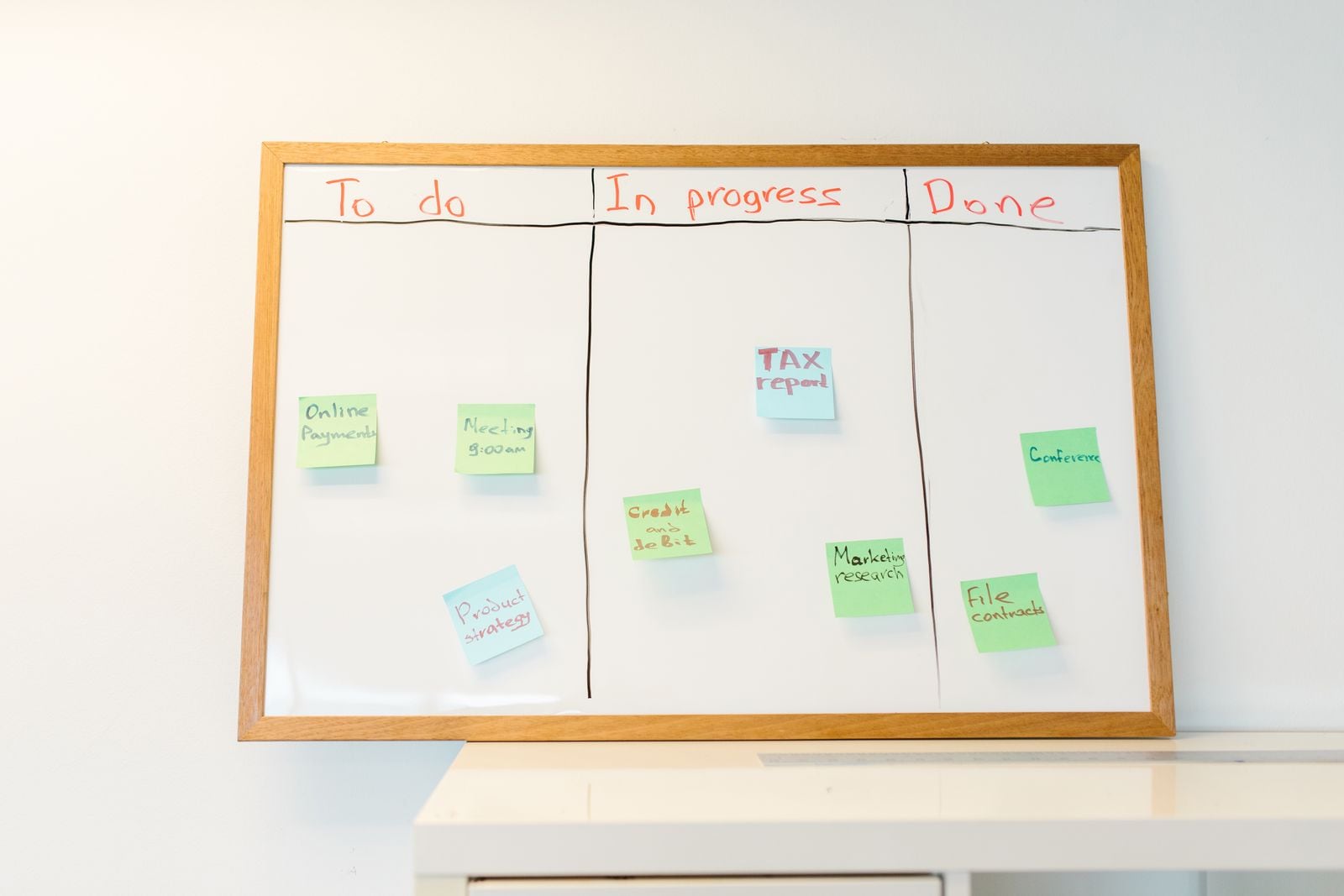
A plant manager opens the CI tracker a week before the 2027 planning session. Fourteen active initiatives. Three "owned" by the engineer who left in March. Two that overlap. Four that haven't moved in ninety days. Everyone's working on something. Nobody's finishing much.
This is the quiet way most continuous improvement programmes decay — not from lack of ambition, but from unprioritised sprawl. The 2027 plan that will actually move the needle isn't the one that adds the next trendy thing. It's the one that removes.
Why CI programmes bloat
It happens the same way, every time. Initiatives rarely die cleanly. The person who championed one moves on, retires, or gets promoted — and the initiative stays on the list because no one wants to be the person who killed it. Each new CI leader wants to plant their flag, which usually means launching rather than closing. And "stopping" an improvement initiative sounds like failure, so nobody frames it that way, so nothing stops.
The result is predictable. By year three of most CI programmes, the active list has drifted past what the organisation can realistically finish. Attention gets diluted. Progress slows. Teams quietly stop believing the list means anything.
The cost of unprioritised sprawl
The research is unflattering, though you have to read it with care.
The deeper cost isn't budget — it's attention. A CI programme running fourteen initiatives doesn't have fourteen teams. It usually has one or two overworked CI people, a thin bench of plant champions, and a leadership team that can hold three or four priorities in its working memory at any one time. Everything beyond that is theatre.
The 2027 plan that compounds results isn't the one with the longest list. It's the one with a shorter list and a plant manager who can name every item from memory.
Three questions that kill the right things
If you walk into the next planning session with only three questions, use these.
| 1. Is it moving? | Has there been visible progress in the last ninety days — a milestone hit, a measurement taken, a standard changed? If the honest answer is no, you have two sub-questions: can it move in Q1, or should it come off the list? Both are legitimate. Doing neither is not. |
| 2. Who is the named human owner? | Not "the CI team." Not "operations." A person, on this floor, this quarter, who thinks about this initiative daily. If you can't name one, the initiative is already parked — the list just hasn't admitted it yet. |
| 3. If we killed it tomorrow, what would actually break? | If the honest answer is "nothing visible for six months," you have your answer. Many initiatives are kept alive by the fear of killing them, not by the value they produce. |
Try it on your own list
Enter up to eight initiatives from your current CI tracker. Score each one on impact, momentum, and ownership. The tool ranks them and tells you — in plain English — which to finish, which to protect, which to park, and which to kill.
How to run the "stop" conversation
The hardest part of pruning a CI list isn't deciding what should go. It's saying so out loud without the room hearing "this failed."
The reframe that works: finishing is the respect, parking is the kindness, killing is the leadership. Finishing well honours the people who put the work in. Parking honestly protects the initiative in case it becomes right again later. Killing is a leadership act that frees the attention trapped in it. None of these are failures. All of them are hard.
One concrete practice: at the start of the planning session, before anyone proposes anything new, go through the existing list and decide the finish state for every item. Done. Paused with resumption criteria. Closed with lessons captured. No carry-forwards by default.
The one line that changes a planning meeting
Save it for the moment someone proposes initiative fifteen.
"Before we talk about what we're adding in 2027, let's finish deciding what we're taking off the list."
That single sentence shifts a planning meeting from an addition exercise to a prioritisation exercise. It's uncomfortable the first time. It gets easier. And every year you run it, the list gets closer to something your organisation can actually finish — which is the only CI list that compounds.
CI maturity isn't the length of your initiative list. It's the discipline to close it out. The plants I've seen compound results year over year aren't doing more things — they're finishing the right ones and letting the rest go.
Looking at a long 2027 list and wondering which ones to carry? Happy to compare notes.
Get in touch →Where these numbers come from
- Michael C. Mankins & Richard Steele, Turning Great Strategy Into Great Performance, Harvard Business Review, 2005 — the 63% average execution gap
- Michael C. Mankins, Jenny Davis-Peccoud & Jeff Denneen, Managing Initiative Overload, Bain & Company — the 80/20 attention statistic from the pharmaceutical case
- McLean, Antony & Dahlgaard (2015), Failure of Continuous Improvement initiatives in manufacturing environments: a systematic review of the evidence, Total Quality Management & Business Excellence — the eight-theme failure taxonomy
- Cândido & Santos (2015), Strategy implementation: What is the failure rate?, Journal of Management & Organization — the honest caveat that 50–90% figures are contested
- Hero image: Polina Zimmerman via Pexels